
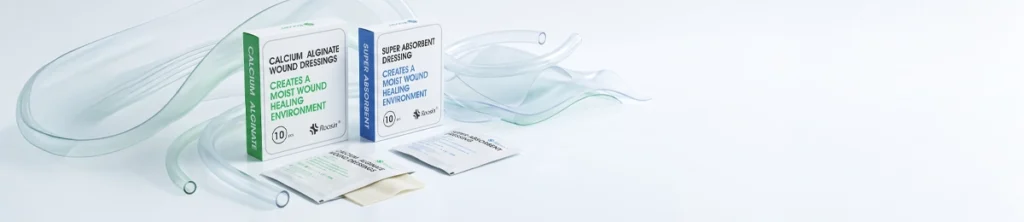
Advanced dressing
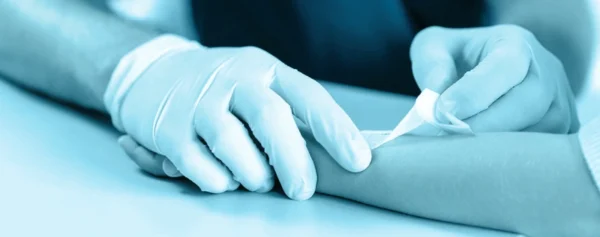
Treating acute and chronic, infected and non-infected wounds with advanced dressings is one of the newest and most effective methods in modern medicine. If you are one of those who want to heal as quickly as possible with the skin around the wound kept protected, stay with us to learn about the design and structure of the different advanced dressings and the ingredients used in them, which provide many therapeutic benefits, so you can make the best choice for your type of wound. In many cases, because the level of damage to the skin and the resulting wound is critical and dangerous, or because the wound is caused by burns, or because diabetic patients have developed complex wounds, more specialized interventions and dressings are needed to treat and heal the wound.
In many cases, because the level of damage to the skin and the resulting wound is critical and dangerous, or because the wound is caused by burns, or because diabetic patients have developed complex wounds, more specialized interventions and dressings are needed to treat and heal the wound.

Key Conditions for Wound Healing with Advanced Dressings
An ideal advanced dressing should provide important conditions for wound healing, including:
It should be cost-effective.
It should prevent heat loss from the wound.
It should provide the best conditions for wound healing.
It should protect the wound from abrasion and mechanical damage.
It should not cause allergies or inflammatory immune reactions.
It should not break down through interaction with the wound and should retain its properties.
It should not need frequent changes and should remain effective during healing.
It should not leave particles or residue in the wound after or during healing.
It should be safe to use and sufficiently biocompatible during healing.
It should have the capacity to absorb exudate and wound fluids at different stages of treatment.
It should not stick to the wound or healing tissue and should come off easily when changed.
Contrary to the old belief in keeping wounds dry, it should maintain the necessary, optimal moisture for wound healing.
When needed, it should allow gas exchange, such as oxygen, carbon dioxide and water vapor, for the healing wound.
Because they create special conditions for healing, advanced dressings are generally used for chronic and sometimes acute wounds.
Types of Advanced Dressings
There are several types of advanced dressings:
Foam dressing
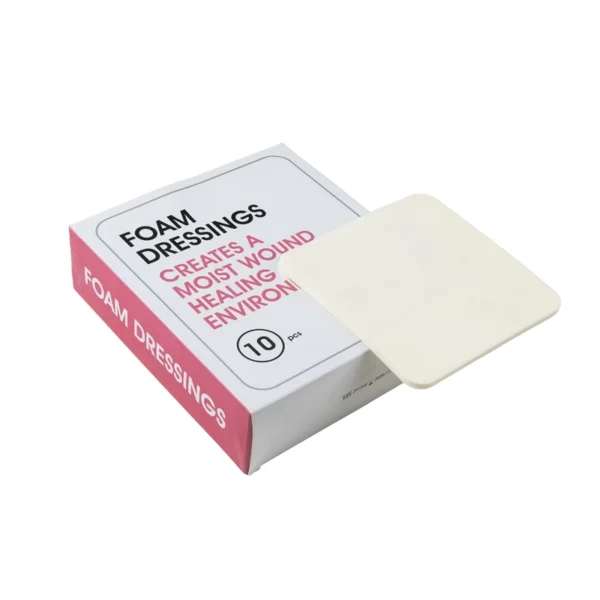
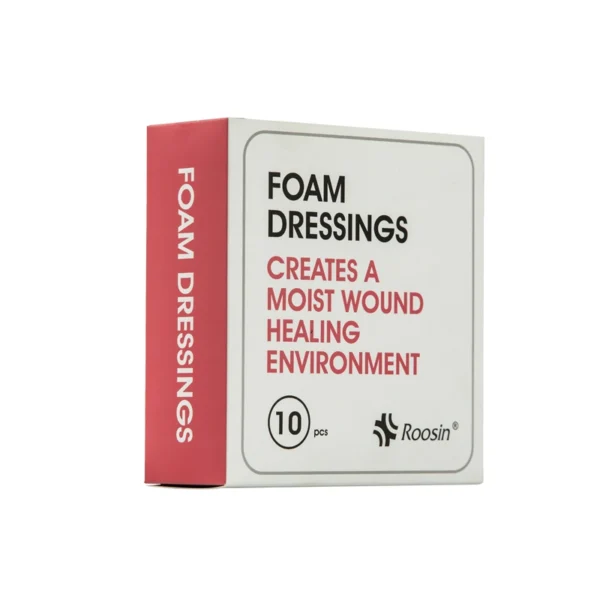
As the name suggests, foam dressings are generally used to absorb and remove wound exudate. The first and most important role of foam dressings in wound healing is managing moisture and exudate by absorbing it while maintaining a moist environment to support proper healing. The foam dressing helps the wound and surrounding area avoid further damage.
In a sense, the foam dressing acts as thermal insulation for the wound. It is easy to apply and remove when needed. Foams are generally made of medical-grade polyurethanes that are semi-permeable and porous with an open structure, allowing them to absorb and retain wound exudate.
In fact, these dressings are made of various compounds such as polyurethane, acrylic materials and highly absorbent materials, and come as sheets of various thicknesses with a transparent adhesive film layer on one side, which increases their exudate absorption to several times their weight. For heavily exuding wounds in the granulation stage, the best dressing is a foam dressing, whose advantages include being non-adherent and coming in different absorbencies and thicknesses. The outer layer of foam dressings is usually hydrophobic to keep out bacteria and other contaminants.
Foam dressings can be used for one to seven days depending on the volume of exudate. They are flexible enough for use in special and complex positions; they can also be cut. They are also very useful for low- to high-exuding wounds. This dressing greatly helps maintain wound temperature and is a good thermal insulator.
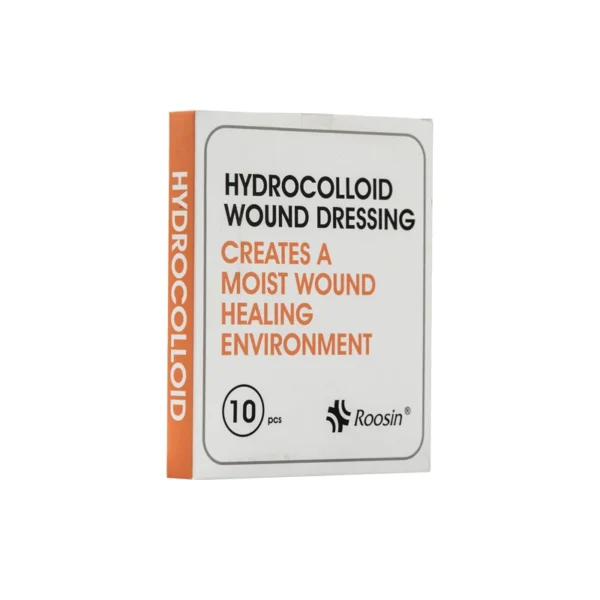
Hydrocolloid dressing
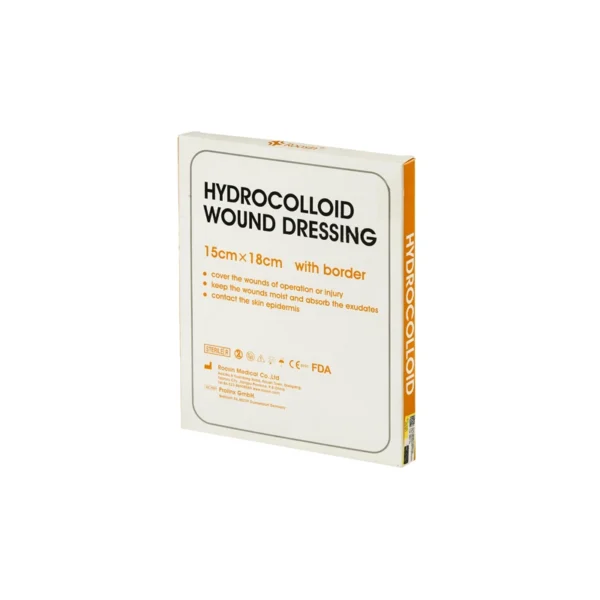
Hydrocolloid dressings are another advanced wound dressing used to heal wounds with little or no exudate, such as minor burns and bedsores, as well as surgical wounds. They are made of materials such as gelatin, pectin and carboxymethyl cellulose. This dressing creates a moist environment while keeping external bacteria and microorganisms out of the wound. Using hydrocolloid dressings greatly helps speed up healing, reduce pain during healing and reduce dressing change frequency.
These dressings are suitable for healing small wounds and partial-thickness burns. Their moisture retention, reinforced by forming a gelatin layer on contact with the wound, comes from their impermeability to vapor transfer. Their impermeability to oxygen creates special conditions under the dressing. This helps increase epithelialization and collagen synthesis, guides healing through new tissue formation, controls the pH of the environment and prevents infection.
It should be noted that when the wound produces a lot of exudate, this dressing is not effective.
Hydrogel Dressing
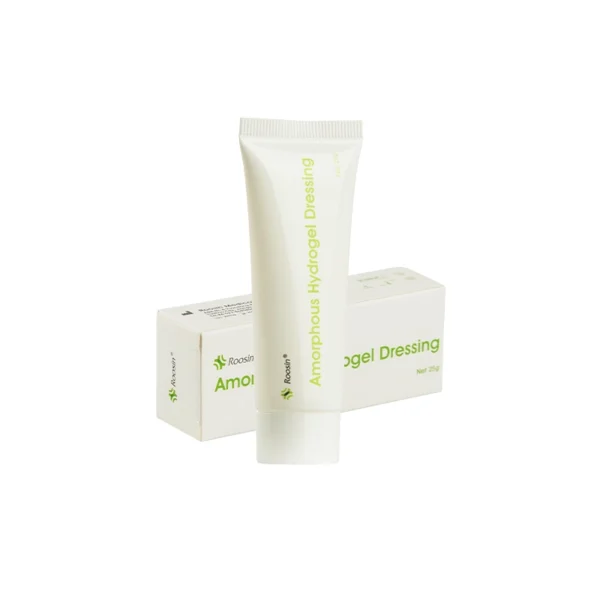
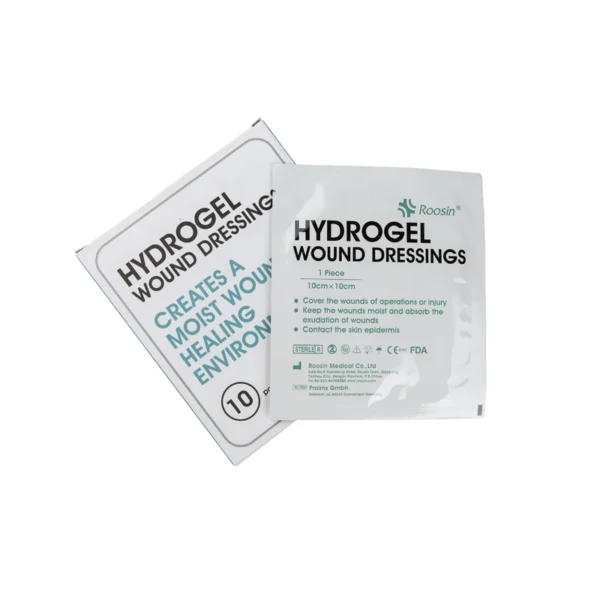
Hydrogels are water- or glycerin-based structures that are mainly non-crystalline (amorphous). They come as sterile gauze or sheets. They generally do not absorb large amounts of the wound’s natural exudate. They are made of gelled, hydrophilic polymer materials that have absorbed up to 90 percent water and swelled.
Hydrogel dressings have various uses, including helping maintain moisture, promoting granulation tissue during healing, speeding up epithelialization of the wound, helping enzymatic breakdown of necrotic tissue, soothing pain, and being usable when the wound is contaminated.
Their removal of necrotic tissue in the wound does not damage the granulation tissue that is forming. In addition, they easily break down and remove necrotic crusts on the wound. They have a cooling effect on contact with the wound and therefore cannot act as thermal insulation. They are specifically suitable for partial-thickness wounds with a wear time of 3 days.
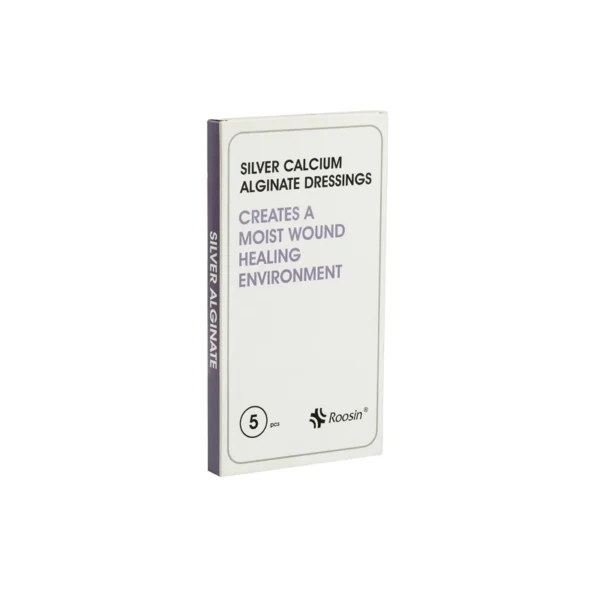
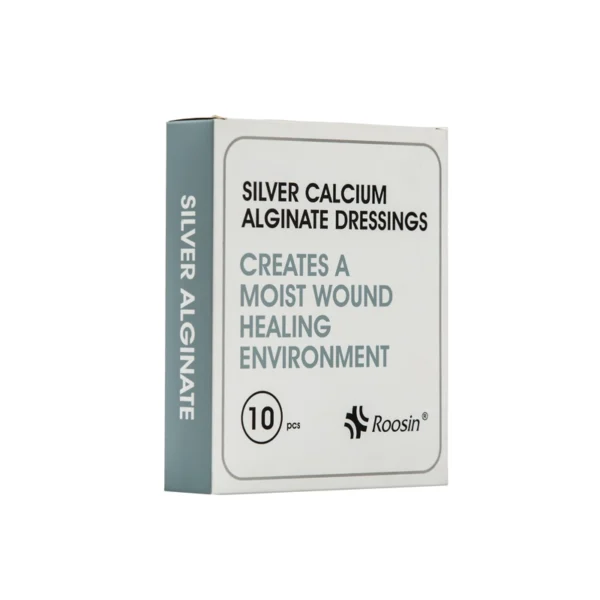
Calcium Alginate and Silver Calcium Alginate Dressings
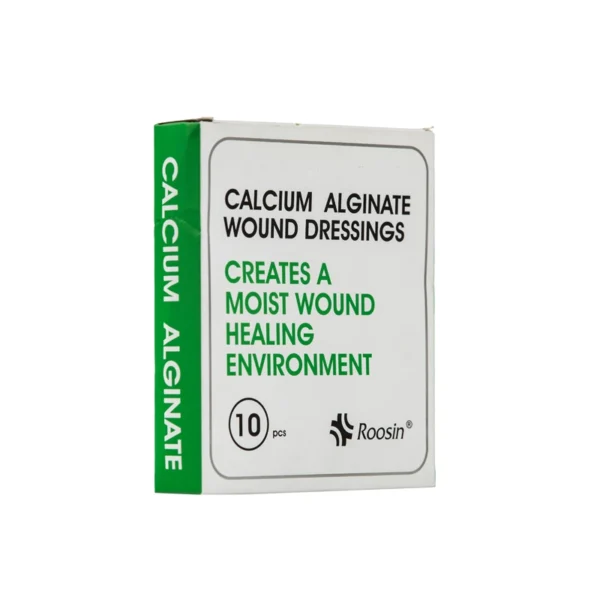
Plain and silver calcium alginate dressings come in sheet and rope forms and were used by sailors as wound dressings in years past. Interestingly, the main source of this dressing is seaweed.
These dressings fall into two groups: calcium alginate and sodium alginate. Calcium alginates are the insoluble salt of alginic acid and sodium alginates are the soluble salt of alginic acid.
When calcium alginate dressings come into direct contact with fluid from the wound, the calcium ions in the dressing are exchanged with sodium ions in the wound environment, creating a gel-like state. It then absorbs excess exudate so there is managed moisture for wound healing, and it has been reported to gel by absorbing up to 20 times its weight in water. They can be used in moist infected and non-infected cavity and tunneling wounds.
Because of their gelling nature, they also have a hemostatic effect in wounds with controlled bleeding. The dressing’s moisture retention also helps more granulation during wound healing.
These dressings are generally biodegradable, with components that do not cause inflammation at the wound site or trigger immune cascade reactions.
Calcium alginate dressings are specifically non-woven, non-adherent pads that are soft and flexible. Like foams, they can be reshaped to fit the anatomical location and can be used as silky ropes for cavity wounds or as sheets.
They can be used for wounds with low to high exudate. This dressing is used for pressure ulcers, infected wounds and venous ulcers. Alginates generally need a secondary dressing and can stay on the wound bed for several days.
Calcium alginates are dressings made of mannuronic and guluronic acids that, thanks to calcium and sodium, can ionize and form a gel. The physical and mechanical properties of these dressings depend on the amount of mannuronic and guluronic acid and the percentage of calcium and sodium ions.
Sometimes, because the wound is infected or could become infected and biofilms may grow in the wound environment, calcium or sodium alginate dressings containing silver are used, and their antibacterial effect increases with the concentration of silver ions in the structure.
As soon as they come into contact with wound exudate, silver ions leave the calcium alginate structure and penetrate bacterial membranes, killing the bacteria. The antibacterial effect lasts up to 5 days after application at the wound site, and by reducing the number of changes needed, this dressing also reduces nursing and patient costs. It should be noted that the continuous release of silver ions in calcium alginate dressings is evidence of their long-term antibacterial effect.
Superabsorbent dressing
Exudate in acute wounds helps healing, while in chronic wounds it is harmful. Exudate in chronic wounds contains high levels of destructive protease enzymes and inflammatory cytokines that not only do not help healing but delay it.
At the same time, exudate from chronic wounds such as pressure ulcers or venous ulcers limits the growth factors needed for wound healing and cell proliferation, and, by inducing metalloproteinase activity, inhibits granulation tissue formation. Exudate from chronic wounds is very viscous and thick because it contains high levels of immune cells, proteins and bacteria.
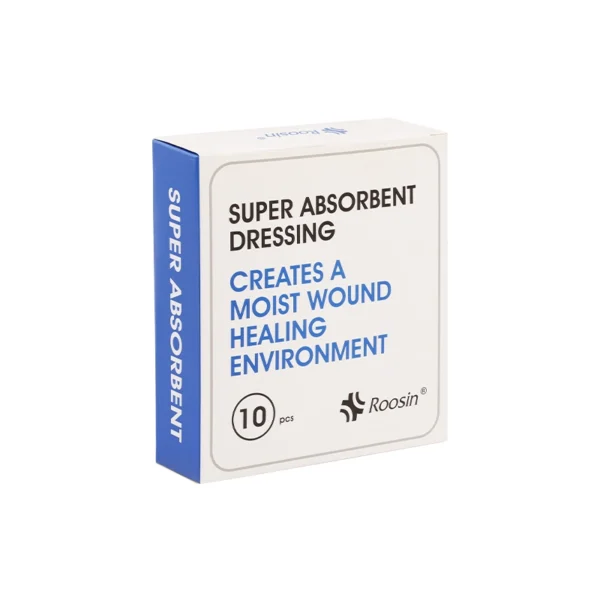
Superabsorbent dressings are multi-layer structures with much higher absorption capacity than conventional foams. Because these dressings are highly absorbent and hydrophilic, they can usually stay on the wound for longer periods.
Superabsorbent dressings can absorb large amounts of the wound’s natural exudate and store it in their core. In fact, the structure of this dressing consists of multi-layer absorbent powders that can turn into a gel and swell, surrounded by a hydrophobic layer that repels external moisture.
This feature allows the superabsorbent dressing to manage a significant amount of the wound’s natural exudate without sticking to young healing tissue, while preventing the wound from flaking and peeling. So superabsorbents continuously and rapidly absorb the wound’s natural exudate while preventing bacterial growth and maceration.
In summary, compared with foams, superabsorbents absorb more and continuously, need far fewer changes and are therefore more cost-effective for hospitals.
Are advanced dressings effective at every stage of a wound?
No. Regardless of the dressings used, wound healing at every stage requires care and measures by clinicians and patients so the different stages progress as accurately as possible.
Can I use dressings to heal a wound on my own?
Patients should follow the advice and treatment process supervised by specialist doctors and wound care practitioners, because the type of dressing is chosen based on the wound’s condition, the type of disease and the person’s complications.
Are all wounds, whatever their cause, always treated with dressings?
No. Advanced wound dressings can be used at many stages of wound healing, but some wounds and some stages cannot be treated with advanced dressings and need other treatments, or heal without advanced dressings.
Can heavily exuding wounds be managed with advanced dressings?
No. At high grades, when the wound has very heavy exudate, methods such as vacuum therapy are used.