

Trocars and Surgical Access Instruments
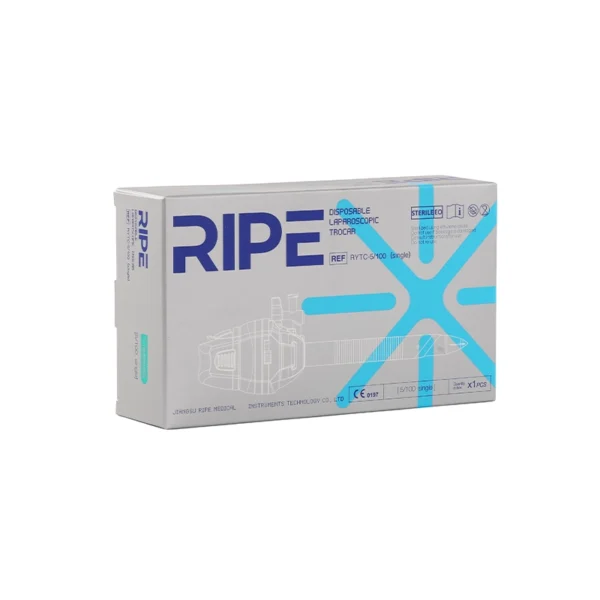
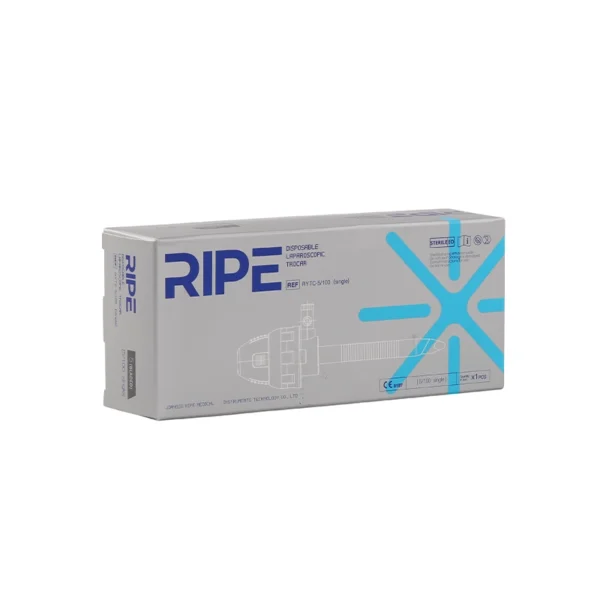
The laparoscopic trocar, also known as a laparoscopic cannula, is a specialized pencil-shaped medical instrument. Trocars are widely used in laparoscopic surgery. The trocar acts as a port through which the surgeon can access the abdominal cavity. With a laparoscopic trocar, surgical instruments can be placed inside the body. This medical device also has other uses, which we cover below.
The Most Important Uses of Laparoscopic Trocars
As mentioned, trocars are used in laparoscopic surgery to examine the appendix, small and large intestines, gallbladder, liver, pancreas, pelvic cavity and female reproductive organs. This device makes it easier for surgeons to access the abdominal cavity, through which surgical instruments such as cameras, staplers and laparoscopic scissors can be passed into the cavity.
Besides laparoscopy, trocars can be useful in other minimally invasive procedures that need small incisions and have short recovery times, such as arthroscopy and cystoscopy. Doctors also use trocars to treat conditions such as ascites and hydrothorax.
Bonyan Tajar, the exclusive representative of the Ripe Medical brand, supplies all models and sizes of laparoscopic trocars.
Types of Laparoscopic Trocars
Trocars usually come in two types: bladed (cutting) and bladeless (non-cutting):
Bladed
This model uses a sharp blade (two- or three-edged) made of metal or plastic. That is why it is called a bladed or cutting trocar: it cuts tissue with minimal pressure and enters the abdominal cavity.
Bladeless
As the name suggests, this trocar has no sharp cutting blade. It is also called non-cutting or dilating, because it needs a lot of pressure to enter the tissue, separating and dilating the tissue to enter the cavity.
But which is better, bladed or bladeless? A comparison shows that although cutting trocars may seem risky because of complications they can cause during surgery (such as bleeding from the cut), they perform better than non-cutting ones. This is because they need less force to enter the abdominal cavity, so there is less chance of the entire trocar shaft entering the cavity unintentionally.
Besides cutting and non-cutting models, there is also an optical model, which is a type of bladeless trocar. Its obturator is transparent and hollow. The camera lens is placed inside the obturator, allowing the abdominal cavity to be seen.
What Sizes Do Laparoscopic Trocars Come In?
One characteristic of laparoscopic trocars is their sizing; in other words, they differ in cannula diameter. Trocar sizes range from 3 to 30 mm, the most common being 5 and 10 mm.
The trocar size is chosen based on various factors such as the type of surgery. For example, 5 mm optical trocars are suitable for diagnostic laparoscopy. The view they provide increases the surgeon’s control. For more complex procedures, a larger optical trocar (such as 10 mm) is better.
Technical Specifications of Laparoscopic Trocars
Like other medical equipment, laparoscopic trocars have technical specifications to consider when buying:
They are sterile.
They are imported.
They come as single and twin units.
They are disposable and cannot be reused.
From Price Quote to Purchase of Laparoscopic Trocars
As we saw, trocars come in many types and sizes, and choosing the wrong one can negatively affect the device’s performance and the outcome of surgery. If you plan to buy this product and don’t have enough information to choose a model, we can help you through the entire purchase.
We are the exclusive representative of the Ripe Medical brand, so we are ready to supply our trocars to you directly, without intermediaries and at a fair price, taking a big step toward reducing your treatment costs. For more information and to find out the cost of laparoscopic trocars, you can contact us.