Cleaning is the first step in wound care.
The first and easiest step in wound care is cleaning. At this stage, the wound should be washed and cleaned with cool water. If you see fragments of objects such as glass or gravel in the wound, you can remove them with tweezers. Just make sure the tool you use is sterile. Then wash around the wound with a cleanser such as soap. Apart from water, do not use anything else such as alcohol, hydrogen peroxide or iodine.
Using creams and ointments helps wound healing.
Applying an antibiotic cream or ointment to the wound can greatly help it heal. These products not only help keep the wound moist but also reduce the risk of infection. Sometimes antibiotic ointments can cause side effects such as a rash. If this happens, it is recommended to stop using them.
Use a bandage or dressing if needed.
Depending on the wound’s condition, you can use a Advanced dressing . If the wound is somewhere it will rub against your clothes, it is best to cover it with a bandage. Open, uncovered wounds are exposed to infection. It is therefore recommended to cover the wound with a dressing to keep out contaminants such as bacteria.
Take signs of allergy or sensitivity seriously.
Some people may be sensitive to the adhesive in dressings, or allergic to dressings made of latex. If your skin is sensitive to latex and adhesive and you feel itching, blistering or burning under the bandage, it is better to use sterile gauze or non-adhesive dressings instead of a bandage.
Watch for signs of wound healing.
After an injury, the body starts to heal it. To heal the wound, white blood cells attack infectious agents such as bacteria. Meanwhile, platelets, red blood cells and fibrin together form a gel-like clot over the wound, which has a protective role and is the start of new skin forming. At this stage you may feel itching. If this happens, never scratch it, as it will remove the skin.
Treat burns quickly.
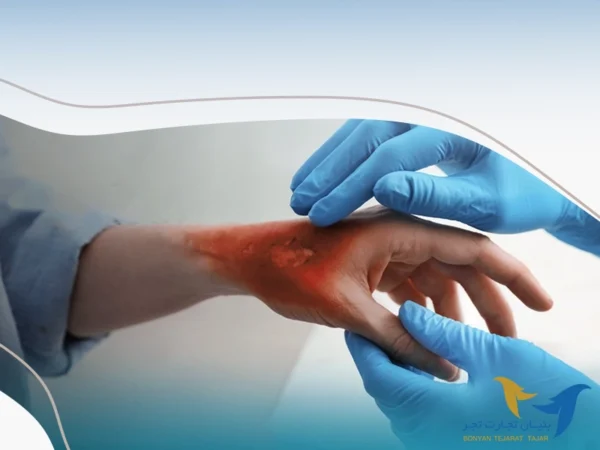
Some wounds are caused by superficial burns. If so, rinse the burned area with cool water or place a cold cloth on it to draw out the heat and stop the burning process. Then wash the area with soap and water and cover it with a dressing. If you see blisters, do not touch them, because blisters protect the skin during healing.
Care for surgical wounds as you would other injuries.
Protecting surgical wounds is similar to caring for injuries such as cuts and scrapes. Use a dressing and change it every day. Keep the area dry. Follow your doctor’s advice about stitches. If you notice any change at the wound site, such as redness or increased bleeding, be sure to tell your doctor.
Tell your doctor if you notice signs of infection.
Fever and chills, redness of the skin around the wound, green or yellow discharge, warmth at the wound site, and swollen lymph nodes in areas such as the armpits or neck are signs of infection; if you notice any of them, contact your doctor promptly.
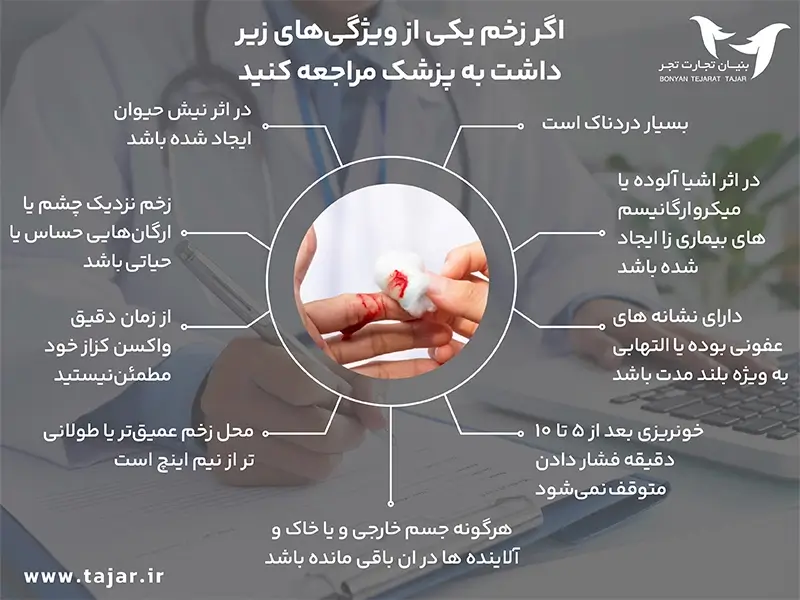
See a doctor if the wound has any of the following features.
- It is very painful.
- The wound is near the eye.
- It shows signs of infection.
- Dirt or sand is stuck in it.
- It was caused by an animal or human bite.
- It was caused by dirty or rusty objects.
- You are not sure when you last had a tetanus vaccine.
- The wound is deeper or longer than half an inch.
- The bleeding does not stop after 5 to 10 minutes of pressure.



Leave a Reply