Types of PolyMed IV Cannulas

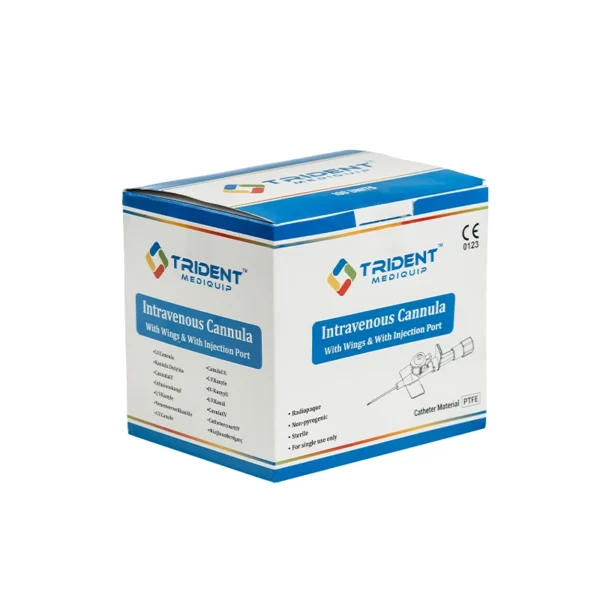
The IV cannula (angiocath) is a medical device also known as an intravenous cannula. It is used to reduce pain when giving IV fluids, blood, medications and other fluids. Today, many models of this device have been designed, each with its own use. (It is used for more effective and efficient delivery of IV fluids, blood or medications.)

In this article, we will therefore look at the types of IV cannulas. If you are planning to buy this medical device, this article can serve as a good reference on the types of IV cannulas.

Types of PolyMed IV Cannulas

The IV Cannula: A Device for Different Age Groups

One feature that sets IV cannulas apart is that they are made in different sizes, each suited to a specific age group. Sizing is based on diameter. Intravenous cannulas are also color-coded, which makes it easier to identify the type of fluid being infused.

Specifications and Uses of 8 Types of IV Cannulas

Color Size (Gauge) Use
Orange 14 Blood transfusion in adults, in emergencies and when a large volume of blood is lost
Gray 17 Delivering viscous fluids such as colloid solutions to adults (when needed); rapid fluid delivery when fast results are required
White IV Blood transfusion, trauma and surgery
Green 18 In the operating room for giving blood or fluids to adults; large volumes of fluid in major surgery; severe bleeding
Pink 20 The most widely used in clinical settings; IV delivery of blood, fluids or medication to adolescents or adults who need it, when slow, long-term delivery is required
Blue 22 Chemotherapy; IV injections in children and adolescents with finer veins
Yellow 24 Injections for children and the elderly
Violet 26 Newborns, infants and children up to 4 years


The IV Cannula and Its Components

An IV cannula is essentially a thin, hollow plastic tube. This widely used medical device is made up of several parts, each with a specific role. The figure below shows the components of the different types of IV cannulas.

The Importance of Choosing the Right IV Cannula

As we mentioned earlier, IV cannulas come in various sizes, each suited to a specific age group with its own function. Care must therefore be taken when choosing this device to avoid possible complications, such as pain.

Choosing the right IV cannula depends on several factors, three of which are listed below:

Vein thickness

Vein thickness is one of the important factors in choosing an IV cannula. In general, if the patient has thin, fragile, delicate veins, a pink IV cannula should be used. On the other hand, for many adults whose veins are thicker than those of adolescents and children, sizes 14 and 22 are recommended.

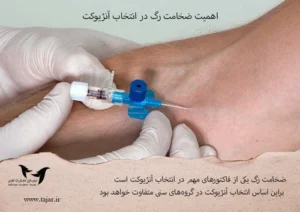
The importance of patient age in choosing an IV cannula

The importance of vein size in choosing an IV cannula

Patient age

Consider the patient’s age. Choosing the wrong IV cannula can cause problems. For example, using a thick cannula such as the gray or orange model, or even pink or blue, for children and infants may rupture their veins during infusion.

Type of infused substance

The type of infused substance is another factor in choosing the type of IV cannula. Typically, thicker cannulas are used to deliver steroid and crystalloid solutions so they can be delivered into the body with moderate pressure.

The IV Cannula and How to Use It

One question you may have is how the different types of IV cannulas are used. The answer is simple! The needle part of the cannula passes through the skin with a bevel cut, enters the vein, and fluids are delivered.

One capability the IV cannula gives users is being able to see blood in the vein. This happens as the catheter slides over the top of the needle, producing a flashback signal, after which blood can be drawn from the body or fluids can be delivered into the vein.

Signs of a Problem with the IV Cannula

Sometimes while using an IV cannula you may notice signs such as redness and swelling, burning and blistering, bleeding, or blood collecting in or around the skin. These signs indicate a problem with the intravenous cannula, and you should raise it with the doctor as soon as possible.

What Role Does Size Play in Choosing and Using an IV Cannula?

IV cannula size is a key factor in choosing this device. It is so important that choosing the wrong size can cause complications such as vein rupture, pain, infection, skin swelling and problems delivering fluids into the vein.

 

IV cannulas are divided into several types by color. Each IV cannula color has a specific size, and which one to use depends on several factors.

How do pediatric and adult IV cannulas differ?

Children usually get IV cannulas that are thinner (smaller diameter, higher gauge number) than those for adults. This is because children’s veins are thin, delicate and fragile, and using a larger-diameter cannula increases the risk of the vein rupturing.

Brands and Prices of IV Cannulas

Now, with the information in this article, you can go ahead and buy an IV cannula. This medical device is sold by pharmacies and various companies such as Bonyan Tajar. Our company sources and supplies its products from reputable brands such as PolyMed. Differences between PolyMed IV cannulas and others include:

A tapered catheter that is kink-resistant and radiopaque
Flexible wings for easy and secure fixation of the cannula in place
Biocompatible materials that increase the cannula’s dwell time
A clear flashback chamber for easy inspection and to prevent backflow of blood and fluids
A round grip on the needle hub for better support during insertion
An injection port with a silicone valve, suitable for intermittent therapy

Given the variety of IV cannula models and exchange rate fluctuations, we recommend contacting our experts before buying this product to find out the price of IV cannulas.

The IV Cannula and Its Important Role in IV Therapy

In this article, we have tried to fully explain everything you need to know about IV cannulas. As we said, IV cannulas come in various sizes; smaller-diameter ones are usually used for young people and thicker ones for adults. We also noted that buying an intravenous cannula requires attention to factors such as the patient’s age, the type of fluid infused and the vein thickness.

Finally, if you still have questions about the types of IV cannulas or other topics in this article, you can contact us through the comments section.

References

https://www.ciamedical.com/angiocatheters

https://nurseslabs.com/how-to-start-an-iv-insertion-tips/

Leave a comment.

Your email address will not be published. Required fields are marked *

Leave a Reply

Your email address will not be published. Required fields are marked *

Related Articles
Treating Burns in Diabetic Patients

Treating Burns in Diabetic Patients

What Causes Burns in Diabetic Patients? Diabetic neuropathy is the most important cause of burns in people with diabetes. Neuropathy...

How to measure blood pressure with a monitor

High Blood Pressure and How to Measure It with a Monitor

Simply put, blood pressure is the force that blood exerts on the walls of your blood vessels. Blood pressure is...

How to empty an ostomy bag correctly

Essential Tips for Emptying and Changing an Ostomy Bag

Did you know that modern ostomy bags are odor-free and ordinary people do not notice ostomy patients' bags? To learn...

Have a question about this topic?

Get in touch with the Bonyan Tajar experts.

To buy a product, request a price quote or get specialized advice, contact our sales experts. Our team is ready to provide the information you need and guide you in choosing and buying the right product for your needs.