
Disposable Medical Gloves

Today, a significant number of businesses use disposable gloves, especially nitrile, to prevent the spread of infection. Nitrile gloves are a useful and suitable way to protect your hands against viruses and infections. Depending on the situation, chemical-resistant gloves such as nitrile are a potential alternative to latex gloves.
Given the importance of nitrile gloves, this article looks at this product. We start by explaining what nitrile gloves are, then cover the types of disposable gloves, their uses and other related topics.
Gloves made from nitrile butadiene rubber are one of the important types of medical and industrial gloves. Interestingly, the market for this product is expected to grow by 6.1 percent from 2021 to 2030. But what has made disposable nitrile gloves increasingly important?
The gloves’ features, especially their significant resistance to chemical, corrosive and hazardous substances and solvents, have drawn special attention from many businesses. This product is used in the automotive and mechanical industries and in beauty services such as tattooing. Nitrile gloves are also useful where sharp tools are used, because they can act as a protective barrier between the skin and the tool. They therefore offer considerable chemical stability, corrosion resistance and mechanical strength.
Besides industrial uses, these gloves are an ideal option for healthcare, examinations and surgery, because they can protect hands against blood and biological contaminants such as pathogens.
The features described for nitrile gloves are closely related to the material used to make them. These gloves are made from nitrile butadiene copolymer, which is obtained by combining acrylonitrile and butadiene.
These materials give disposable nitrile gloves outstanding chemical resistance and flexibility. They also make the gloves highly puncture-resistant. They are made so that even the smallest damage produces a visible tear. You might think this is a drawback, but it lets users easily spot any tear or puncture and thus deal with contamination.
Besides nitrile, disposable gloves are also made from vinyl and latex, but their drawbacks have made disposable nitrile gloves a suitable replacement. The table below shows the drawbacks of vinyl examination gloves and latex gloves, and the advantages of nitrile gloves in overcoming them. It should be noted, however, that for surgical use, latex surgical gloves are usually more commonly indicated.
| Glove Type | Disadvantages |
| Latex | Can cause allergies. |
| The nature of latex hides small holes and tears so they cannot be detected. | |
| Low resistance to chemicals such as sulfuric acid and sodium peroxide. | |
| Vinyl | Loose-fitting and do not fit the hand well. |
| Not suitable for high-risk tasks. |
| Advantages of Nitrile Gloves |
| Suitable for people prone to allergies. |
| Tiny holes and tears are easy to detect. |
| Very high resistance to chemicals such as sodium peroxide; suitable for laboratory work. |
| Fit the hands very well. |
| A good option for protecting hands against hazardous chemicals and infectious agents. |
As we saw, disposable nitrile gloves have very high chemical resistance and outstanding strength. These characteristics have led to their use in many places.
Uses of disposable nitrile medical gloves include laboratories, auto repair shops, hospitals, veterinary clinics, dental clinics, warehouses, beauty salons, surgery, manufacturing, tattooing and piercing, and waste management facilities.
If you need disposable gloves for your work, choosing the type of glove is very important. But what features should the best disposable gloves have? Knowing the differences between types of disposable gloves in terms of material, strength and other features can help you choose better. Below are 10 important points to consider when choosing medical gloves:
Medical gloves are made from various materials. Today, an index called the Acceptable Quality Level (AQL) is used to measure glove quality, which in effect determines their use. For example, the AQL of examination gloves must be 2.5 or lower. Gloves with an AQL above 4 or 5 are used for industrial purposes.
Sterile gloves are mainly used for surgery. The important point here is that these gloves must have a very good AQL, which is 1.5 or lower. Non-sterile gloves, by contrast, are used for examining patients, cleaning, food service and other less sensitive uses.
Some uses require a high level of tactile sensitivity. For example, to perform surgery with high precision and accuracy, a surgeon must be able to feel the patient’s organs easily and with high sensitivity. Touch-sensitive gloves are made from lightweight materials such as nitrile. Besides surgery, these gloves are used in food preparation, transportation and pharmacies.
Sometimes you may need to wear gloves for hard work. Sometimes you may also need to wear them for long periods. In these cases, choosing comfortable gloves is very important, because an uncomfortable glove can impair your ability to do your job.
Besides comfort, the glove should fit your hand well. If the glove is too small, it can irritate the skin or reduce circulation in the hand. Very small gloves are also more likely to tear. On the other hand, if the glove is too large, the gap between the glove and skin increases the chance of pathogens getting in. Very large gloves also slip off the hand easily.
You may have wondered whether wearing two gloves at once increases skin protection. According to a study by the U.S. National Institutes of Health, double gloving can be an effective way to protect the hands against pathogens and harmful substances. This method can improve staff safety and is recommended during surgery in the operating room.
Gloves come in powdered and powder-free versions. Powdered gloves have a cornstarch coating that makes them easier to put on and prevents the glove from sticking to the hand. Although this makes them more convenient for users, the U.S. Food and Drug Administration has banned powdered gloves for surgery and patient examination.
According to the FDA, the risks of powdered gloves in medical settings outweigh their benefits. The powder can stick to the user’s skin and cause irritation, inflammation or allergic reactions. It can also cause rare post-surgical complications, such as peritoneal adhesions, in which tissues stick together.
Although the ban on powdered gloves does not yet apply to food service, the powder can contaminate food. In such cases, powder-free gloves are preferred.
Another factor to consider when choosing gloves is their thickness. Thicker gloves offer more reliable protection. They are also more resistant to tearing and take longer to wear through. These gloves are mainly used for industrial purposes.
Despite their advantages, thick gloves reduce tactile sensitivity. If you need high tactile sensitivity, it is better to use thinner gloves such as nitrile.
Tensile strength refers to a material’s resistance to tearing when stretched. Gloves with higher tensile strength are more tear-resistant. Nitrile and latex both have high tensile strength.
Medical gloves are made in various colors, which makes them easy to identify. For example, latex gloves are blue and non-latex gloves are black. So people who are allergic to latex will have no trouble choosing non-latex gloves.
The last factor to consider when choosing gloves is their shelf life.
Buying disposable gloves in bulk ensures you always have access to them when needed. The downside is that gloves may sit unused for a long time, which can make them brittle. A glove’s shelf life depends heavily on its material. Compared with other types, nitrile gloves have the longest shelf life (several years).
You have probably noticed that each type of medical glove is designed for specific uses because of its features. Non-sterile nitrile and latex gloves are commonly used by doctors. Nitrile gloves have gained special attention from medical staff because of their high puncture resistance and because they do not need powder.
If you are a doctor, nurse, chemist, dentist or in any other profession that needs disposable medical gloves, don’t worry! Bonyan Tajar is one of the largest suppliers of high-quality medical gloves and sells its products in bulk and individually. Our gloves cover a wide range of types, one of the most important being nitrile gloves. If you have a question about a specific product or want to know the price of disposable gloves, please contact our experts. They will be happy to help you.
In this article, we have tried to provide complete and useful information about disposable medical gloves. As explained, nitrile gloves, with features such as high resistance to hazardous substances, have overcome the drawbacks of latex and vinyl gloves and become a suitable replacement for them.
If you have information about gloves, we would be happy for you to share it with us and other readers through the comments section. You can also share your comments, suggestions and questions with our experts there, and they will answer them as soon as possible.
Leave a comment.
Your email address will not be published. Required fields are marked *

What Causes Burns in Diabetic Patients? Diabetic neuropathy is the most important cause of burns in people with diabetes. Neuropathy...

Simply put, blood pressure is the force that blood exerts on the walls of your blood vessels. Blood pressure is...
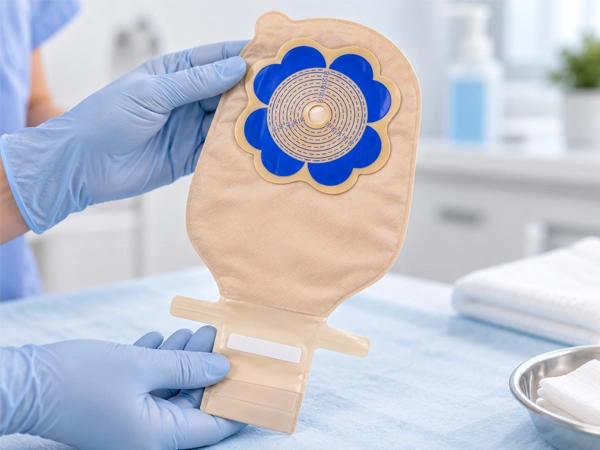
Did you know that modern ostomy bags are odor-free and ordinary people do not notice ostomy patients' bags? To learn...
To buy a product, request a price quote or get specialized advice, contact our sales experts. Our team is ready to provide the information you need and guide you in choosing and buying the right product for your needs.
Leave a Reply