
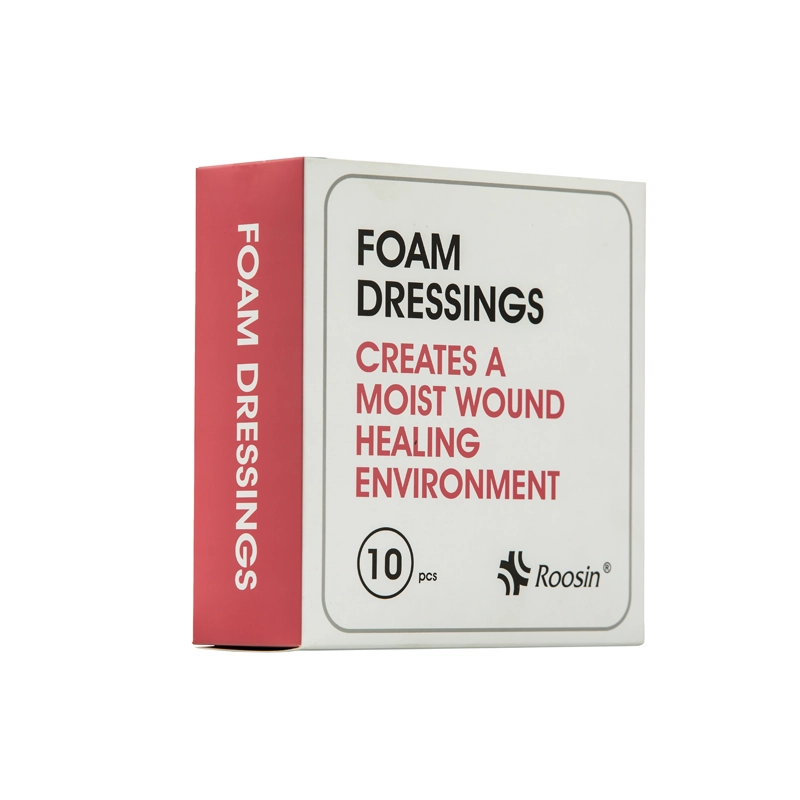
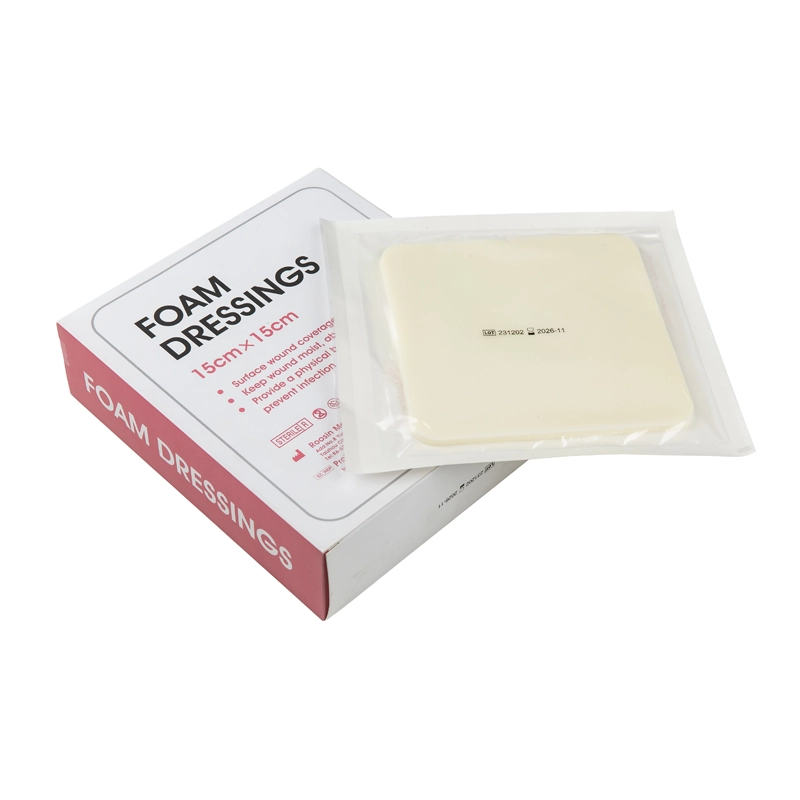
Plain Foam Dressing
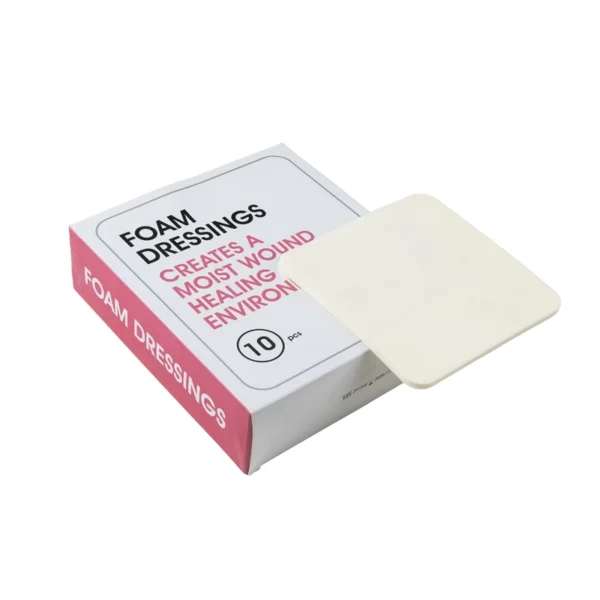
Simple Foam DressingFoam dressing, one of the most effective and best-known advanced dressings, is widely used to treat and heal wounds. An important feature of this dressing is its ability to create a moist environment for the wound. Other properties of foam dressings include protecting the wound and the surrounding area from injury. This dressing can also act as thermal insulation for the wound.


Today, many methods are used to treat and heal wounds. Perhaps the first method most people think of is using Betadine, bandages and gauze. But this method, known as the traditional dressing method, has drawbacks, the most important being that it dries out the wound, leaves residue when the dressing is removed, needs daily changes and is not cost-effective.
With advances in medical science, efforts to replace the traditional dressing method continued until the modern method, which uses specialized advanced dressings to treat wounds, was introduced. The modern method uses many types of advanced dressings for wound healing, one of the best known and most effective being the foam dressing.
| Country of Manufacture | China |
| Dressing Form | Porous foam sheet (sheet) |
| Components | Medical grade porous polyurethane |
| Main Feature | For thermal and temperature management of the wound, to absorb and retain exudate from moderately to highly exuding wounds |
| Suitable for Diabetic Wounds | Yes |
| Uses | Heavily exuding wounds, venous wounds, tunneling and cavity wounds, burns, and all infected wounds in the inflammatory phase; for offloading pressure from the wound and regulating and maintaining wound temperature |
| Contraindications | Wounds with severe bleeding, and dry and low-exuding wounds |
| Duration of Use | Change daily |
| Antibacterial | No |
| Can Be Cut | No |
Foam dressings are easy to use and do not cause injury on removal. They are used in the presence of infection and with compression therapy. In addition, foam dressings are compatible with enzymatic debriding agents.
It is made of semi-permeable polyurethane containing foamed polymer solutions with open cells that retain fluid. The outer layer is hydrophobic, or waterproof, and prevents bacteria and other contaminants from entering. Foam dressings are available with or without an adhesive border, and come in various sizes and shapes. Some dressings include a bacterial barrier made of a transparent film. In addition, some contain an antibacterial agent such as silver, Manuka honey or antibiotics.
An important feature of foam dressings is their ability to create a moist environment for the wound. Other properties include protecting the wound and surrounding area from injury and providing thermal insulation. They are easy to apply and easy to remove, and they do not cause injury on removal. This type of dressing is used in the presence of infection and with compression therapy. In addition, foam dressings are compatible with enzymatic debriding agents. How long they can be used depends on the amount of exudate; they can stay on for one to seven days.
Foam dressings are used as both primary and secondary dressings for a wide range of wounds. Wounds with low to heavy exudate, shallow to deep wounds, leg ulcers, surgical site wounds, skin grafts, minor burns, abrasions, infected wounds, lacerations, draining peristomal wounds, pressure ulcers, wounds requiring negative pressure wound therapy, tracheostomy and gastrostomy tubes, and wound cavities all benefit from this type of dressing.
Paying attention to the product’s brand is an important point when buying, because low-quality dressings not only delay wound treatment and healing but can also lead to problems such as infection. The Roosin foam dressing is one of the highest-quality and best-known dressings and is manufactured to international standards. Price is another important factor when buying. Foam dressings are usually affordable, but because this product is imported and its price is affected by exchange rate fluctuations, we recommend that buyers contact our experts before purchasing foam dressings to learn the latest prices.
سلام
پانسمان فوم برای چه نوع زخمهایی مناسب است و چه زمانی باید تعویض شود؟
پانسمان فوم ساده، فاقد پلییورتال عمدتاً برای مدیریت زخمهای دارای ترشح طراحی شده و با جذب ترشحات اضافی، به حفظ محیط مرطوب مناسب برای ترمیم زخم کمک میکند. این پانسمان میتواند در زخمهایی مانند زخم بستر، زخم پای دیابتی، زخمهای مزمن، زخمهای جراحی و سایر زخمهای ترشحدار مورد استفاده قرار گیرد.
یکی از کاربردهای مهم آن، کمک به کاهش و توزیع فشار مستقیم واردشده به سطح زخم، بهویژه در زخمهای فشاری مانند زخم بستر و برخی زخمهای پای دیابتی است. همچنین ساختار فوم با ایجاد یک لایه محافظ، به حفظ تعادل حرارتی و دمای مناسب بستر زخم کمک میکند و از زخم در برابر عوامل و آسیبهای مکانیکی خارجی محافظت میکند.
زمان تعویض پانسمان به میزان ترشح زخم، وضعیت بستر زخم و میزان اشباع پانسمان بستگی دارد. در صورت اشباع شدن پانسمان، رسیدن ترشحات به لبهها، ایجاد نشتی یا جدا شدن پانسمان از محل، باید آن را تعویض کرد. حداکثر زمان استفاده از پانسمان فوم ساده تا ۵ روز در نظر گرفته میشود، اما در زخمهای پرترشح ممکن است تعویض در فواصل کوتاهتری لازم باشد.