Did you know that about 100,000 ostomy surgeries are performed each year in the United States?
Modern ostomy bags are odor-free, so ordinary people do not notice the ostomy bag in these patients.
People with an ostomy can carry on their daily activities, including swimming, working, exercising and socializing with family and friends.
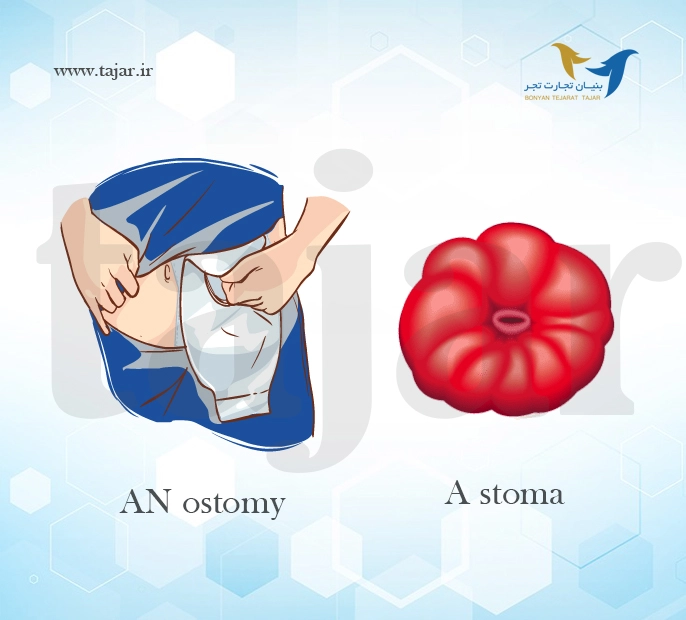
One of the surgeries used today to save lives is the ostomy. In this surgery, an opening is made in the skin through which urine or stool leaves the body. The opening is called a stoma, which is a path from an organ (such as the large intestine, small intestine or bladder) to the outside of the abdomen.
Types of Ostomy Surgery
Ostomy surgery is performed in three different ways.
Colostomy
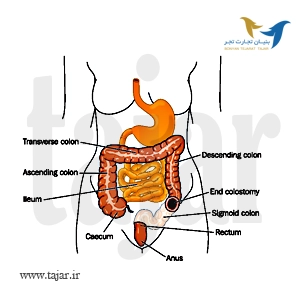
In the first method, known as colostomy, part of the colon (large intestine) or rectum is removed and the remaining colon is brought to the abdominal wall.
Ileostomy
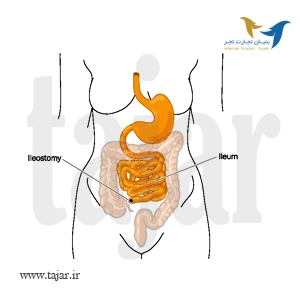
Ileostomy is another type of ostomy surgery in which an opening is made in the ileum (the lowest part of the small intestine). An ileostomy can be temporary or permanent and may involve removing all or part of the colon.
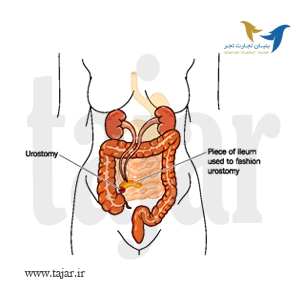
Urostomy
In the third method, known as urostomy, urine is diverted from a diseased or damaged bladder. In this surgery, part of the end of the small intestine (ileum) or the beginning of the large intestine (cecum) is removed and used as a channel for urine to pass from the kidneys out of the body. The procedure may also involve removing the patient’s bladder.
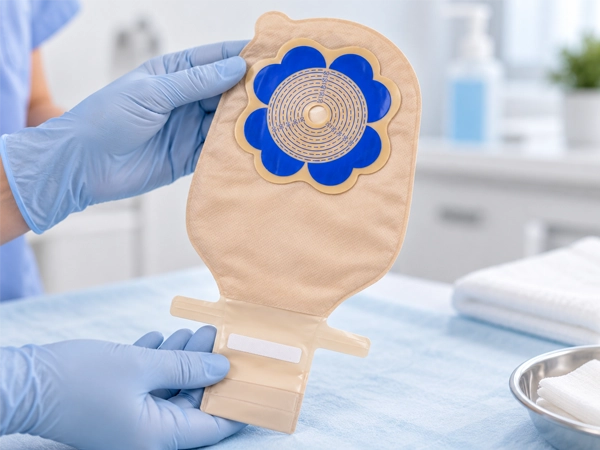
An ostomy may be needed because of a birth defect, cancer, inflammatory bowel disease, diverticulitis, incontinence and many other medical conditions. Ostomy surgery is also needed in cases of severe abdominal or pelvic trauma caused by accidents or injuries during military service. One medical device used in ostomy surgery is the ostomy bag, or pouch. It is placed outside the body on the abdomen to collect waste such as urine and stool.
Find what works best for your unique stoma, skin and body type.

Life Expectancy of Ostomy Patients
The life expectancy of ostomy patients is the same as for other people, and their lives only change somewhat after surgery. After recovering, they can return to normal life. Advances in medicine in recent years have greatly reduced ostomy-related problems, and people with an ostomy rarely have difficulties.
Problems of Ostomy Patients
The most important complications of an ostomy after surgery include:
- The patient loses confidence in having normal sexual relations.
- Fear and worry about damaging the ostomy bag make the patient avoid exercise.
- People with an ostomy mostly experience psychological problems after surgery.
- Not knowing how to bathe (with or without the bag) keeps the patient from bathing when they should.
- Fear of noise, odor and leaks from the ostomy bag keeps people with an ostomy from socializing.
- People with an ostomy suffer from insomnia at night, which leaves them irritable during the day.
- Because they don’t know how people with an ostomy should eat, they don’t get proper nutrition and become weak, lethargic and thin.
- Financial problems (the cost of bags and accessories) and social, cultural and family problems are among the difficulties people face after surgery.
Important Things Ostomy Patients Should Know!
There are some things ostomy patients should be fully aware of, because they will help them along the way to take all the necessary steps easily and with greater peace of mind. The sections below can greatly help you understand these important points.
You can also read answers to common questions in the ostomy bag FAQ section.
Important Tips When Changing an Ostomy Bag
When changing an ostomy bag, several points need attention, the most important being:
- If there is hair on the abdomen, you can shave it to avoid extra pain when removing the adhesive.
- After fitting the new ostomy bag, hold your hand over it for a few seconds to help it seal.
- When changing, it is best to stand on an old cloth or towel to keep waste from soiling the house.
How Do I Change an Ostomy Bag?
Changing an ostomy bag involves removing the old bag, inspecting the skin, measuring the stoma and attaching the new bag. The steps for each are given below:
The need for hygiene
One of the very first steps in changing an ostomy bag is hygiene, which helps prevent infection.
- Wash your hands with soap and water, making sure to clean between your fingers and under your nails thoroughly. Dry your hands with a clean towel or paper towel.
- If the ostomy bag is a two-piece type, gently press the skin around your stoma with one hand and remove the seal with the other. (If the seal is hard to remove, you can use special pads.) This prevents the bag opening from touching the skin and reduces the risk of infection.
Removing the old bag
Keep the clip that comes with the bag. Put the old ostomy bag in a bag and throw it in the trash. Then wash the skin around your stoma with warm water and soap and clean it with a clean tissue or paper towel. Then dry the skin with a clean towel.
Inspecting the skin
- Check your skin. A little bleeding is normal. The skin should be pink or red. If it is purple, black or blue, call your doctor.
- Wipe around the stoma with a special skin wipe. If your skin is a little moist, sprinkle some stoma powder only on the moist or broken area.
- Gently dab the special wet wipe over the powder and your skin again.
- Let the area air-dry for 1 to 2 minutes.
Measuring the stoma
- Use your measuring card to find the circle size that matches your stoma. Do not touch the card to your skin.
- If the ostomy bag is a two-piece type, trace the circle size on the back of the ring seal and cut it out. Make sure the cut edges are smooth.
Attaching the new bag
- If the ostomy bag is a two-piece type, attach the bag to the ring seal.
- Peel the paper off the ring seal.
- Apply stoma paste around the opening of the seal, or place a special stoma ring around the opening.
- Place the seal evenly around the stoma. Hold it in place for a few minutes. Try holding a warm cloth over the seal to help it stick to your skin.
- If you need them, put cotton balls or special gel packs in your bag to prevent leaks.
- Attach the bag clip or use tape to close the bag.
- Wash your hands again with warm soap and water.
How to Empty an Ostomy Bag
To empty an ostomy bag, the following steps are necessary:
- Sit on or next to the toilet, or stand in front of it. Put a layer of toilet paper in the toilet bowl to prevent splashing.
- Move your clothes away from the bag.
- Hold the bottom of the bag up. Open the Velcro closure or remove the clip and set it aside.
- Gently open the tail, or outlet, over the toilet.
- Lean over the toilet to prevent splashing.
- Slide your fingers down the bag to push all the stool out.
How to Clean an Ostomy Bag
To clean the bag, you can do the following:
- Wipe the inside and outside of the tail with toilet paper. This helps prevent any odor.
- Check both sides of the bag for tears or holes. If you find any, put on a new bag.
- If the bag closes with a clip, wash the clip if there is stool on it.
When to See a Doctor
It is recommended to contact a specialist doctor if:
Your stoma is swollen and more than half an inch (1 cm) larger than normal.
The stoma is pulled in below the level of the skin.
There is more bleeding from the stoma than normal.
The stoma is an abnormal color, such as purple, black or white.
The stoma leaks often.
The stoma does not seem to be the same size as before.
You have a skin rash or the skin around the stoma is raw.
You have foul-smelling discharge from the stoma.
You have any kind of sore on the skin around the stoma.
You have signs of dehydration, such as a dry mouth, passing less urine and feeling lightheaded or weak.
You have diarrhea that won’t go away.



Leave a Reply