🔴 Important warning:
All stages of treating burn wounds and injuries must be carried out only under the direct supervision of a doctor or wound care specialist. Any self-treatment or action without specialist advice may cause the injury to spread, lead to side effects or delay healing.
The content in this section is for educational and general information purposes only and is in no way a substitute for the specialist advice of medical staff. Please consult your treating physician before using any of the methods or tips mentioned.
What Is a Burn Dressing and Why Does It Matter?
A burn dressing means covering the wound with sterile or specialized materials to protect the injured area, prevent infection and speed up healing. The importance of burn dressings can be summarized as follows:
- Preventing infection: burn wounds are prone to infection because the skin’s protective layer, and sometimes the underlying layers, are damaged.
- Speeding up healing: modern dressings create a moist environment that helps skin cells regenerate.
- Reducing pain: cooling and gel dressings can reduce pain and inflammation.
- Preventing scarring: the right dressing keeps the wound from drying out and prevents thick scabs and dead tissue that delay healing and can lead to scarring.
Is a Burn Wound Dressing Always Necessary?
The right dressing protects the wound from bacteria and contamination, maintains the necessary moisture and prevents contact with external factors such as clothing or dust. In some superficial cases, a dressing may not be needed, but in most cases a proper covering speeds up healing.
Types of Burn Wounds and Their Degrees
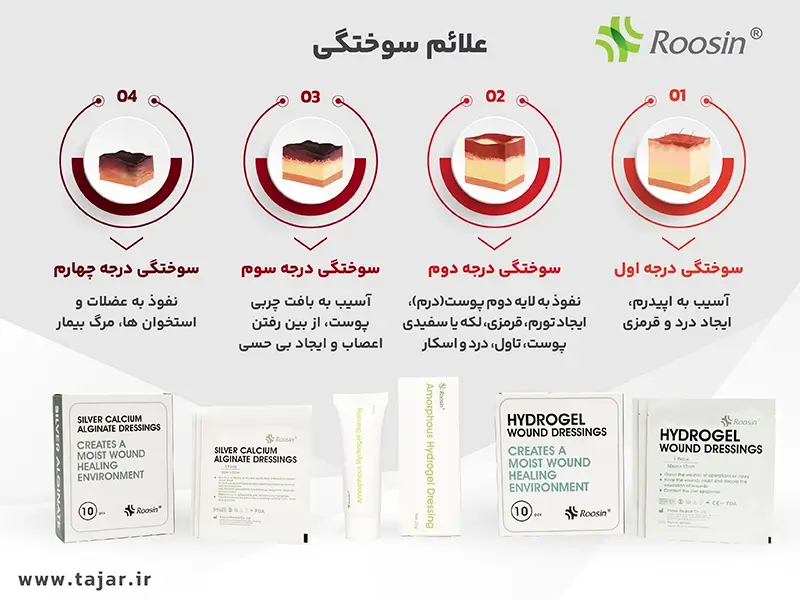
Knowing the types of burns and their degrees is essential for choosing the best type of Advanced dressing and deciding whether you need to see a doctor. Burns are divided into three main categories based on how deeply the skin tissue is damaged:
- First-degree burn: redness and superficial pain (e.g. sunburn)
This type of burn affects only the outer layer of the skin (the epidermis). Symptoms include redness, mild pain and slight swelling. Sunburn is a common example. First-degree burns do not blister and usually heal in 7 to 10 days without leaving a scar. Recommended treatments include cooling with lukewarm water, using gentle moisturizers and a light dressing if needed.
- Second-degree burn: blisters, severe sensitivity, intense pain
A second-degree burn involves the top layer of the skin (the epidermis) and part of the layer below (the dermis). It is divided into two subtypes, superficial and deep:
- Superficial second-degree burn: the burned skin is bright red, very painful and sensitive to touch, and usually looks moist. The main characteristic is fluid-filled blisters. It usually heals within 2 to 3 weeks without significant scarring.
- Deep second-degree burn: the skin may be red, white or even blotchy, blisters may be large or burst, and the skin may look drier and waxier. Because nerve endings are damaged, less pain may be felt. Healing takes several weeks and scarring is possible.
Prolonged contact with hot water, steam burns and contact with a flame are examples of second-degree burns. The recommended treatment for second-degree burns, depending on the type, is rinsing with cool water and using moist, specialized dressings. In severe cases, seeing a doctor is recommended.
This type of burn damages all layers of the skin and sometimes the tissues below (fat and muscle). Prolonged contact with a direct flame, electric shock and contact with corrosive chemicals cause third-degree burns. The skin may look white, black or leathery, and no pain may be felt because the nerves are destroyed, although there is sometimes pain around it. Blisters are usually not seen in third-degree burns. Treatment and healing take weeks to months and often require surgery, skin grafts and advanced dressings.
| Burn Degree |
Layers Affected |
Symptoms |
Healing Time |
Needs Specialist Treatment |
| 1st degree |
Epidermis |
Redness, mild pain |
7–10 days |
No |
| 2nd degree |
Epidermis and dermis |
Blisters, severe pain |
2–3 weeks |
Sometimes |
| 3rd degree |
All layers |
White/black skin, numbness |
Several months |
Yes |
Why Is Proper Dressing Effective in Treatment?
A burn dressing is more than a simple covering; it is a vital part of the healing process. The role of modern burn dressings in effective treatment is as follows:
- Maintaining wound moisture: wounds need a moist environment to heal through cell migration. The right dressings keep moisture in and prevent the wound from drying out and disrupting healing. (Modern dressings such as hydrogel and hydrocolloid create a moist environment essential for regenerating skin cells.)
- Absorbing exudate: burn wounds, especially blistered and deep ones, produce a lot of exudate. Absorbent dressings such as foams and superabsorbents absorb this exudate and prevent the surrounding skin from becoming soaked and creating a breeding ground for bacteria.
- Protecting new tissue: the dressing protects delicate, newly formed tissue from friction, pressure and physical damage.
- Creating a microbial barrier: a sterile, suitable dressing keeps bacteria and other microorganisms out of the wound and greatly reduces the risk of infection.
- Reducing pain and inflammation: some dressings contain pain-relieving or anti-inflammatory substances that help reduce the patient’s discomfort.
- Reducing scarring: a dressing that retains moisture prevents the wound from drying out and fibrin from building up, reducing the chance of scarring.
In addition, some transparent dressings allow the wound to be seen and assessed without removing the entire dressing. In extensive or infected burns, the right dressing can also help control unpleasant wound odor.
Types of Burn Dressings for Different Wounds
Many types of advanced dressings are used to treat superficial to deep burns. The most common are:
- Gel dressing (hydrogel): its cooling effect relieves pain, and it is ideal for dry or second-degree burns. It comes as a sheet or gel and also helps dry wounds heal by providing the moisture they need.
- Honey dressing (Manuka): antibacterial and moisturizing, suitable for superficial and moderate burns. It comes as a gel or honey gauze and also plays an effective role in preserving healthy granulation tissue.
- Antiseptic dressings (silver or iodine): such as silver dressings (Acticoat) or cadexomer iodine, designed with antimicrobial properties for infected wounds or deep burns.
- Collagen dressing: helps tissue regeneration and is used for deep burns or slow-healing wounds (such as third degree).
A final important note: the dressing should be chosen based on the burn degree, amount of exudate and the wound’s condition. By maintaining moisture, preventing infection and speeding up healing, burn dressings play a key role in treatment.
The Best Dressing for Each Type of Burn
The right dressing depends on the type and severity of the burn, the presence of blisters, the patient’s age (children, the elderly) and skin sensitivity. The suitable dressings for each type of burn are reviewed below:
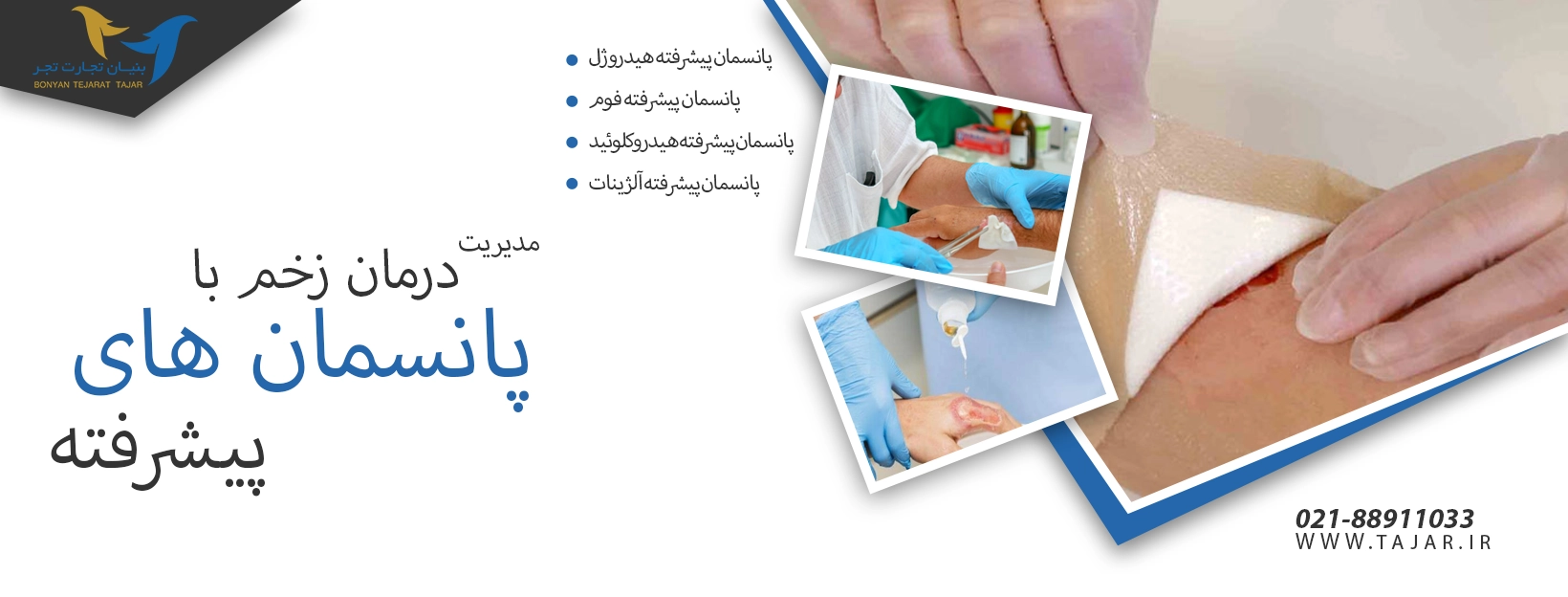
- Dressing for First-Degree Burns
In these cases, a covering dressing is usually not needed, and it is best to leave the skin exposed to air unless clothing rubs against it. In that case, light dressings such as sterile gauze or non-adhesive transparent films are perfectly suitable. These dressings do not need frequent changes and protect sensitive skin. Natural soothing and cooling products such as (medical-grade) aloe vera gel, moisturizing ointments such as petroleum jelly, and cold compresses can also help reduce pain and inflammation in the first hours.
- Dressing for Second-Degree Burns
Second-degree burns, especially blistered ones, need more careful care. The main goal of choosing the right dressing for second-degree burns is to prevent infection, maintain moisture and aid healing. Hydrogel, hydrocolloid or silver dressings (such as Acticoat) are suitable for blistered wounds in these burns. These dressings maintain moisture, reduce pain and prevent infection.
| Dressing Type |
Description |
Main Uses |
| Hydrogel (Hydrogel) |
These dressings contain a gel with a high water content. |
Superficial second-degree burns, especially blistered ones, dry or low-exuding wounds, pain relief and help with debridement. |
| Hydrocolloid (Hydrocolloid) |
These dressings are semi-permeable and form a thin protective gel over the wound as they absorb exudate. |
Superficial second-degree burns with low to moderate exudate. |
| Foam (Foam Dressing) |
Absorbent dressings designed to absorb more exudate. |
Superficial second-degree burns with moderate to heavy exudate. |
| Antibiotic ointments (such as silver sulfadiazine) |
Ointments with antimicrobial properties to reduce the risk of infection. |
Superficial second-degree burns (usually covered with a non-adherent dressing). |
| Silver (Silver Dressings) |
Dressings containing silver, which have strong antimicrobial properties. |
Deep second-degree burns, wounds with a high risk of infection, or more extensive burns. |
| Biological / skin substitutes (Biological/Skin Substitutes) |
Advanced dressings used to speed up healing and reduce pain, which may be temporary or permanent. |
Deep second-degree burns (require medical expertise). |
Do not pop blisters, because they act as a biological dressing. If a blister bursts, use moist dressings.
- Dressing for Third-Degree Burns
Third-degree burns are a medical emergency and require specialist treatment in hospital. The burn dressing in these cases is usually chosen and applied by the medical team. Specialized dressings such as alginate, collagen or amniotic membrane dressings are common choices for third-degree burns. These dressings are designed for deep wounds and help tissue regeneration.
Treatment Methods and Dressings for Third-Degree Burns
| Treatment Stage |
Method or Dressing Type |
Description |
| Initial stage |
Debridement (Debridement) |
Removing dead and damaged tissue to reduce the risk of infection and prepare the wound for treatment. |
| Initial dressing stage |
Protective antimicrobial dressings |
Using sterile dressings containing silver, iodine or other strong antiseptic agents. |
| Reconstruction stage |
Skin graft (Skin Grafting) |
Covering the wound with healthy skin, with special dressings at the donor and recipient sites. |
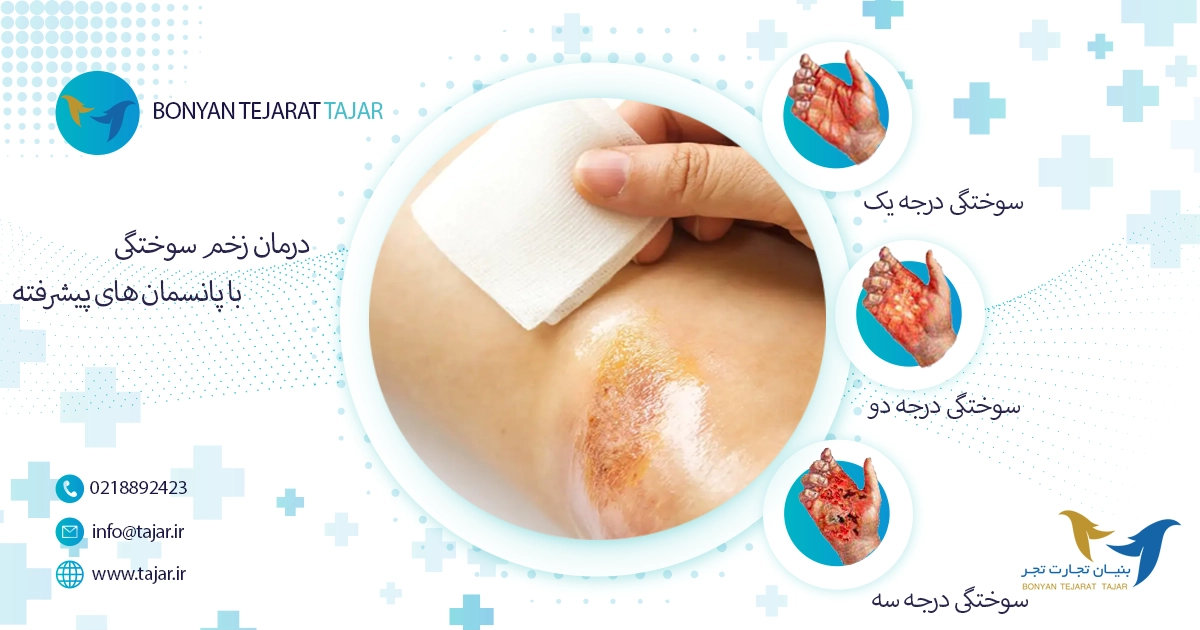
Dressings for Blistered Wounds
Blistered wounds, mostly seen in second-degree burns, need different care depending on the condition of the blister.
- Hydrogel dressing: with a water or glycerin base, this dressing creates a moist environment that helps preserve blisters and reduce pain. Suitable for blistered second-degree burns and dry wounds.
- Silver dressing (such as Acticoat): contains silver with antibacterial properties and is ideal for blistered wounds prone to infection. Changing it every 3–5 days is recommended.
- Silicone dressing: non-adhesive and soft, suitable for protecting blisters without damaging the surrounding skin, especially in children or on sensitive skin. (It is also commonly used to prevent scarring after the wound heals.)
Note that small, intact blisters should usually not be broken, because they act as a natural protection. By contrast, large, painful or burst blisters should be carefully drained by a specialist.
Dressings for Open Wounds
In general, open wounds should be treated with sterile dressings to maintain moisture and prevent infection. Dressings used in these cases include:
- Alginate dressing: made from seaweed, it absorbs wound exudate and turns into a gel. Suitable for open wounds with heavy exudate (such as third-degree burns) and for preventing infection.
- Foam dressing: highly absorbent, used for open wounds with moderate to heavy exudate. It protects the surrounding skin and is usually changed every 1–3 days.
- Superabsorbent dressings: with very high absorbency at an affordable price, they are a good option for heavily exuding wounds.
- Hydrocolloid dressing: creates a moist environment and is suitable for open wounds with low to moderate exudate (such as superficial burns). It is self-adhesive and changed every 3–7 days.
Note that burns with large drained blisters also fall into the category of burns with open wounds.
Dressings for Children, the Elderly or Sensitive Skin
The skin of children and the elderly is more delicate and sensitive and needs special care. Soft silicone dressings (such as Mepilex) or hydrogel sheet dressings with a cooling effect are better options for this group. These dressings do not stick to sensitive skin and are painless to change. For children, colorful, fun dressings are also suitable to reduce the child’s fear. (It is worth noting that these dressings are also designed and used mainly to manage and treat wounds in patients with epidermolysis bullosa, or “butterfly skin”.)
The elderly also need closer monitoring because of the body’s reduced ability to heal and the increased risk of infection. For people with sensitive skin, silicone dressings are very good options because of their gentle adhesion and minimal skin damage on removal, which helps prevent allergic reactions. Using paper tape or tapes made for sensitive skin is also recommended.
In general, modern specialized dressings can be used for the groups mentioned and for severe and advanced burns. Silver dressings with antibacterial properties to prevent infection, honey (Manuka) dressings as antibacterial dressings that speed up healing, hydrogel dressings for cooling and for dry wounds, and alginate dressings for exuding and deep wounds are among the specialized modern dressings.
How to Dress a Burn at Home, Step by Step
Burns can be dressed at home for first-degree and some second-degree burns, but this must be done carefully and hygienically. The steps for dressing a burn at home are explained below:
- Cool the burn (the most important first step):
Immediately after the burn, place the area under cool (not ice-cold) water for at least 10 to 15 minutes. This helps reduce pain, swelling and the depth of the burn. Do not apply ice directly, as it can cause further tissue damage.
- Wash and clean the wound:
Wash your hands thoroughly with soap and water. Gently wash the burned area with lukewarm water and mild soap (preferably unscented). The goal is to remove contamination and loose tissue. Avoid rubbing or scrubbing hard.
- Disinfect (if needed and under supervision):
For superficial burns, washing with soap and water is enough. For more extensive or deeper burns with a high risk of infection, a doctor may recommend specific antiseptic solutions. Never use alcohol, hydrogen peroxide or Betadine to disinfect a burn, as they can damage healing tissue.
At every one of these stages, it must be emphasized that the right approach to wound treatment should be chosen with the advice of a doctor or wound care specialist to prevent the injury from getting worse and to avoid disrupting the healing process.
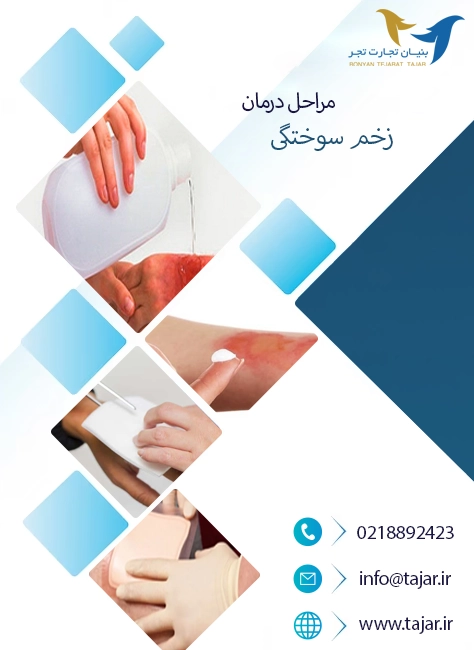
- Apply ointment/cream (if needed):
After cleaning, apply a thin layer of ointment if needed and as recommended by a doctor. For first- and second-degree burns, ointments such as silver sulfadiazine or Alpha ointment are usually recommended. For blistered wounds, you can also use topical antibiotic ointments (such as mupirocin) to prevent infection. Make sure the ointment covers the entire wound surface. It should be added that the best materials for dressing deep burns will be determined by a doctor’s diagnosis and prescription.
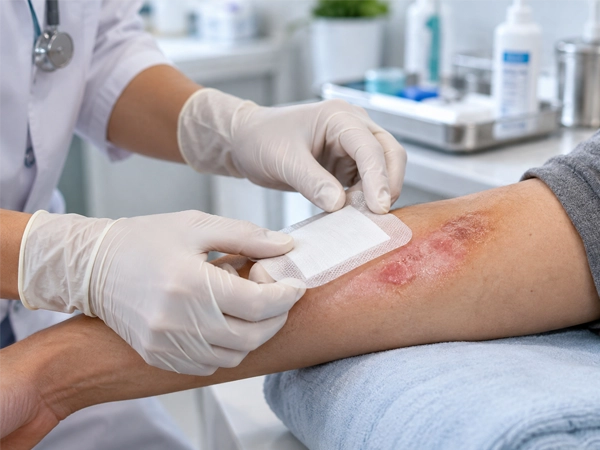
- Apply the primary dressing (the wound contact layer):
Place a non-adherent, sterile layer directly on the wound (such as paraffin gauze, a silicone dressing or hydrogel). This layer prevents the dressing from sticking to the wound and makes it easier to remove.
- Bandage and secure the dressing:
Place an absorbent layer (such as sterile gauze) over the primary layer to absorb exudate. Then secure the dressing gently, without too much pressure, using a roller bandage or medical tape. Make sure the bandage is neither so tight that it restricts blood flow nor so loose that the dressing moves. If fingers or joints are dressed, make sure their movement is not restricted.
Where a burn is very deep and has damaged deep structures such as tendons and bones, the situation is far more complex and dangerous. In such cases, treatment must be followed up at specialized medical centers under the supervision of a team of doctors and specialists in wound and burn care. This specialist intervention plays an important role in preventing more serious complications, including deep infections, impaired limb movement and delayed healing.
Note that if a limb (hand or foot) is burned, keep it raised above heart level as much as possible to reduce swelling. Check the wound daily and see a doctor immediately if you notice signs of infection (yellow/green discharge, bad odor, fever).
Common Mistakes in Home Dressing
Many mistakes are made when dressing burns at home, often due to common misconceptions. In this part of our burn dressing guide, we point out these common mistakes:
- Applying ice directly: never place ice directly on a burn; it causes frostbite and further damage to injured tissue.
- Popping blisters: unless they are large, painful or infected and are drained by a specialist. Intact blisters are natural protection.
- Using inappropriate substances: do not put butter, toothpaste, potato, flour or other household substances on a burn. These can increase the risk of infection and delay healing.
- Using harsh antiseptics: alcohol, iodine, hydrogen peroxide and even Betadine can damage healthy cells.
- Dressing too tight or too loose: the dressing should be comfortable, neither putting too much pressure nor moving around.
- Ignoring signs of infection: severe redness, swelling, increasing pain, fever, bad odor and pus are signs of infection that require seeing a doctor immediately.
- Not washing your hands: this is the most important step in preventing the spread of germs.
A final, very important point is to use completely sterile materials and tools at every stage of dressing. If you need to drain a blister or cut anything near the wound, always use sterile tools.
Unscientific Home Remedies for Burns
Home remedies for burns not only lack scientific support but can also further damage the wound or disrupt healing. Here are some common ones and their risks:
- Toothpaste: using toothpaste to cool a burn is common, but its chemicals can irritate the skin and increase infection.
- Butter or oil: rubbing butter or oil on the wound clogs the skin’s pores and traps heat under the skin, raising the risk of infection.
- Egg white: this can introduce bacteria into the wound and, because it is sticky, is hard to clean off.
- Raw (unprocessed) aloe vera: although aloe vera is sometimes helpful, using raw or contaminated aloe can irritate or contaminate the wound.
- Unpasteurized honey: raw honey may contain bacteria such as Clostridium that can infect the wound, unlike processed medical-grade honey.
Do not use these methods under any circumstances; use sterile, medically approved dressings instead. If in doubt, consult a doctor so that, if needed, you can follow the proper burn dressing steps with a suitable dressing.

How Often Should a Burn Dressing Be Changed?
Depending on the severity of the wound and the type of dressing, the change interval can vary from daily to every 5 days. In cases of infection or heavy exudate, an immediate change is essential. As for how many days a burn wound should be dressed:
The general rule is that the dressing should be changed whenever it gets dirty, wet or comes loose, and also if any signs of infection appear.
Suggested Dressing Change Schedule for Different Burns
| Burn or Dressing Type |
Change Interval |
Additional Notes |
| First-degree burn |
Every 3 to 5 days |
Or sooner if the dressing gets dirty or wet. |
| Second-degree burn (blistered) |
Every 1 to 3 days |
Depending on the amount of exudate and the wound’s clinical condition. |
| Third-degree burn |
Every 1 to 2 days |
Under the supervision of a doctor or specialist nurse; sometimes changed more often depending on the wound’s condition. |
| Modern dressings (hydrogel, hydrocolloid) |
Every 3 to 7 days |
Unless the dressing becomes very wet or contaminated, in which case it should be changed sooner. |
Signs That a Burn Dressing Needs Changing Immediately
As mentioned, there are some general signs that can indicate a dressing needs changing. Along with the suggested schedule, watch for these signs:
- The dressing is wet or dirty: if the dressing gets wet or contaminated with body fluids, water or any other substance, it must be changed immediately.
- The dressing is detached or loose: if it no longer sticks well to the skin and contamination could get in.
- Exudate is leaking out of the dressing: this shows the dressing has lost its absorption capacity.
- Increased pain, redness, swelling or unpleasant odor from the wound: these can be signs of infection and need immediate attention.
- Fever: fever with a burn, especially in children and the elderly, is a serious warning sign.
Finally, any sudden change in the color, texture or depth of the wound should be checked by a doctor. At the same time, some burns always require seeing a doctor.
When Should You See a Doctor?
For burns in sensitive areas such as the face, hands, feet and groin, it is best to see a doctor. Seeing a doctor is also recommended if you notice signs of infection such as fever, abnormal discharge and bad odor. Third-degree burns, burns larger than 10 cm and wounds that have not healed after 2 weeks also seriously need a doctor’s examination.
When Should You Call Emergency Services?
In some cases, a burn can be a medical emergency and requires calling emergency services immediately (115 in Iran). Call emergency services right away if:
- The burn is large or deep: any third-degree burn, or a second-degree burn larger than the palm of the hand.
- The burn is in a sensitive area: such as the face, eyes, ears, neck, hands, feet, major joints (knees, elbows) or genital area.
- The burn is caused by electricity or chemicals: even if it seems small, these burns can cause serious internal damage.
- The injured person has breathing problems: especially if the burn was on the face or occurred in an enclosed space with a lot of smoke.
- There are signs of shock: such as pale, clammy skin, a weak and rapid pulse, shallow breathing, confusion or fainting.
- The burn goes all the way around a limb (such as an arm or leg): this can put pressure on nerves and blood vessels.
Also, if the burned person is a newborn, a very young child or an elderly person, you may need to call emergency services. Remember that the immune system and the body’s ability to heal are weaker in these age groups.


Leave a Reply