Simply put, blood pressure is the force that blood exerts on the walls of your blood vessels.
Blood pressure is normally measured at two points. The first is when your heart is beating and pumping blood into the vessels. At this point, the greatest pressure or force is exerted on the vessels, and the measured pressure is the systolic pressure. When the heart rests between two beats, the pressure drops; this is called the diastolic pressure. So a blood pressure reading combines the systolic and diastolic pressures, with the first being higher than the second.
What Are the Symptoms and Signs of High Blood Pressure?
Interestingly, high blood pressure is known as the silent killer because it has no symptoms and can cause death this way. So the only way to find out whether you have it is to check your blood pressure regularly with a home blood pressure monitor . People with hypertension may experience symptoms such as severe pain in the head and chest, vision problems, dizziness, nausea and vomiting, breathing problems, anxiety, nosebleeds, ringing in the ears and an abnormal heart rhythm. If you have any of these symptoms, you should seek medical care.
Normal vs. High Blood Pressure
In the previous section we learned what blood pressure is. But what is high blood pressure and how does it differ from normal or ideal blood pressure?
According to many doctors, normal blood pressure for a person is 120/80 mmHg (systolic 120 and diastolic 80) or lower. An unhealthy lifestyle, such as smoking and excessive salt intake, can raise blood pressure until it reaches 140/90 mmHg or higher (taking age into account, meaning that in a young person the threshold for high blood pressure can be below 140 mmHg), which is called hypertension or high blood pressure. You can see a summary of the different blood pressure categories in the table below.
| Blood Pressure |
Systolic Pressure
(mmHg) |
and/or |
Diastolic Pressure
(mmHg) |
| Normal |
Less than 120 |
and |
Less than 80 |
| Borderline between normal and high |
120 to 129 |
and |
Less than 80 |
| High blood pressure (hypertension) stage 1 |
130 to 139 |
or |
80 to 89 |
| High blood pressure (hypertension) stage 2 |
140 or higher |
or |
90 or higher |
| Hypertensive crisis (see a doctor immediately) |
Higher than 180 |
and/or |
Higher than 120 |
The Relationship Between Blood Pressure and Heart Rate
You have probably noticed that sometimes, when exercising, both your blood pressure and heart rate go up. You may have wondered whether there is a relationship between them.
The answer is no. Blood pressure and heart rate are two different measures of health. The first shows the force of blood against the vessel walls, and the second is the number of times the heart beats per minute. Blood pressure and heart rate do not always rise and fall together. Even when both increase, they do not rise at the same rate. Sometimes a high heart rate and low blood pressure occur temporarily; this happens when less blood returns from the body to the heart and the nervous system stimulates the heart to pump faster.
When Is the Best Time to Measure Blood Pressure?
One thing to consider when checking your blood pressure is choosing the right time. It is recommended to measure at set times of day. Blood pressure should be measured at least twice a day: first thing in the morning before eating or taking any medication, and again in the evening. After each measurement, make sure your results are consistent and accurate.
What Should You Do When Checking Your Blood Pressure?
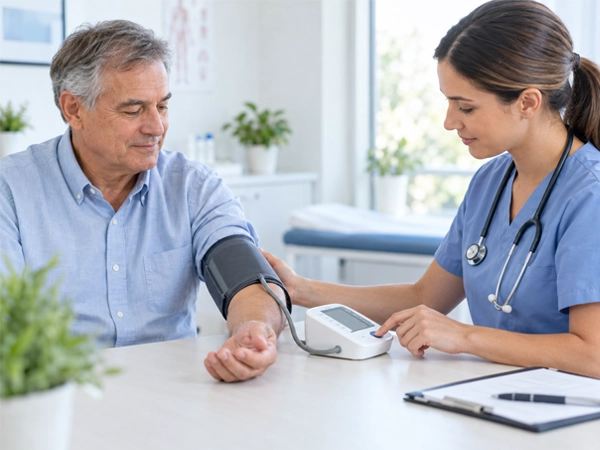
One thing you should do when checking your arterial blood pressure with a monitor is choose the right position. The best way to measure blood pressure is to sit in a chair with your feet on the floor and support your arm so your elbow is about level with your heart. Stay in this position for the entire measurement. Besides being in the right position, keep the following points in mind when measuring blood pressure:
Avoid caffeinated drinks and smoking for 30 minutes before measuring.
Do not talk during the measurement.
Sit quietly for 5 minutes before starting.
Measure your blood pressure twice, with a short rest in between. If the two readings differ by 5 points or more, measure a third time. (The measurement should be repeated after some time has passed to make sure the vessels are no longer in spasm, so the readings are not inaccurate.)
The inflatable part of the cuff should cover at least 80 percent of your upper arm, and the cuff should be placed on bare skin, not over a shirt.
Measure your blood pressure in both arms at least once, because blood pressure may be higher in one arm (usually the right) than the left. The difference in systolic pressure between the two readings should be 5 points or less. If it is more than 10 points, tell your doctor, as this can be a sign of excessive arterial plaque buildup.
How to Measure Blood Pressure
Blood pressure is measured with a blood pressure monitor. This device mainly comes in three models: mercury, aneroid and digital. Their very easy use has made digital blood pressure monitors more popular than other models and widely used at home. They come in upper-arm and wrist models, and taking blood pressure with a digital upper-arm monitor differs from a wrist monitor.
How Do You Control and Treat Blood Pressure?
Blood pressure is usually controlled and treated by changing unhealthy habits and using medication. The following 13 do’s and don’ts can greatly help regulate your blood pressure.
| Do’s |
Don’ts |
| 1) Eat more vegetables and fruit.
2) Sit less.
3) Be more physically active, which can include walking, running, swimming, dancing or lifting weights.
4) If you are overweight or obese, lose weight.
5) Get enough sleep.
6) Take the medications prescribed by your doctor regularly.
7) Stay under the continuous care of your specialist doctor. |
- Avoid eating too much salty food (salt intake should be less than 2 grams a day) and foods high in saturated or trans fats.
2) Avoid foods high in saturated or trans fats.
3) Do not smoke or use tobacco.
4) Avoid drinking too much alcohol.
5) Do not stop taking your medication.
6) Avoid stress and anxiety. |
Medication and Lowering Blood Pressure
As we saw, besides lifestyle changes, medications are also used to lower blood pressure. There are many types of drugs that treat hypertension. Each drug has benefits and risks and must be carefully prescribed by a doctor. Some people take more than one type of medication to treat and control their blood pressure.
High Blood Pressure: Silent and Deadly
High blood pressure is one of the most common diseases worldwide and occurs when blood pressure rises above normal due to obesity, inactivity, high salt intake, alcohol and tobacco use, stress or genetic factors.
Hypertension has no visible symptoms, and if it is not diagnosed in time and treated and controlled, it can lead to complications such as heart attack, stroke, kidney failure, vision loss and even death. These complications can be prevented by regularly measuring blood pressure with a monitor, living a healthy, happy life and taking medication.


Leave a Reply